

Can I use the same conduit for both electrical and data cables without causing interference?
Posted on: 02/05/2025
Running electrical and data cables in the same conduit might seem like a tidy, cost-effective idea but it often leads to signal interference, compliance issues, and expensive headaches down the line.
Electrical cables can produce electromagnetic interference (EMI), which can degrade data transmission quality, especially in copper-based systems like Ethernet.
In most cases, industry standards and building regulations recommend keeping power and data separate and for good reason.

Running electrical and data cables in the same conduit might seem like a tidy, cost-effective idea but it often leads to signal interference, compliance issues, and expensive headaches down the line.
Electrical cables can produce electromagnetic interference (EMI), which can degrade data transmission quality, especially in copper-based systems like Ethernet.
In most cases, industry standards and building regulations recommend keeping power and data separate and for good reason.
What’s the big deal with combining cables?
Interference: Your data’s worst nightmare
Data cables (especially unshielded types) are sensitive to electrical "noise" that power cables naturally emit. This interference can cause:
Slower network speeds
Corrupted data
Unreliable connections
Increased troubleshooting time
If you’ve ever wondered why your perfectly installed CAT6 cables suddenly turn into digital spaghetti, power interference might be to blame.
Electrical cables can produce electromagnetic interference (EMI), which can degrade data transmission quality, especially in copper-based systems like Ethernet.
In most cases, industry standards and building regulations recommend keeping power and data separate and for good reason.
What’s the big deal with combining cables?
Interference: Your data’s worst nightmare
Data cables (especially unshielded types) are sensitive to electrical "noise" that power cables naturally emit. This interference can cause:
Slower network speeds
Corrupted data
Unreliable connections
Increased troubleshooting time
If you’ve ever wondered why your perfectly installed CAT6 cables suddenly turn into digital spaghetti, power interference might be to blame.
Regulation red flags
According to standards like BS 7671 (IET Wiring Regulations) and TIA/EIA, data and electrical cables should be separated, typically by at least 50mm in open spaces and often with physical barriers in trunking or conduit systems.
Some specific cases allow them to share the same conduit, but only if the data cable is properly shielded and meets certain criteria. And let’s face it, most installers don’t want to bet on a "maybe" when it comes to signal reliability.
But what if I really want to share conduit?
We get it, saving space, cutting costs, and reducing install time is tempting. If you absolutely must share a pathway, consider:
Using shielded data cables (e.g., STP or FTP)
Opting for metal conduit, which provides some EMI protection
Installing physical dividers inside the conduit
Keeping cable lengths short, to limit exposure
Still, even with these measures, it’s best practice to use separate conduits for power and data. Clean installs = clean signals.
Choosing the right conduit for the job
Different conduit types offer different benefits:
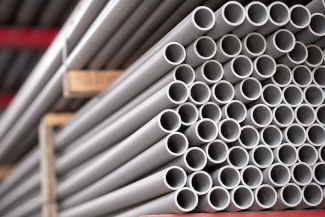
PVC conduit: Lightweight, easy to install, great for indoor data cable runs, but offers no EMI protection.
Metal conduit (e.g., steel): Durable and EMI-resistant, ideal for shared pathways (though not recommended).
Flexible conduit: Great for tight corners and retrofits, but still not a magic fix for interference.
Rigid conduit: Strong and protective, used when physical cable protection is a top priority.
According to standards like BS 7671 (IET Wiring Regulations) and TIA/EIA, data and electrical cables should be separated, typically by at least 50mm in open spaces and often with physical barriers in trunking or conduit systems.
Some specific cases allow them to share the same conduit, but only if the data cable is properly shielded and meets certain criteria. And let’s face it, most installers don’t want to bet on a "maybe" when it comes to signal reliability.
But what if I really want to share conduit?
We get it, saving space, cutting costs, and reducing install time is tempting. If you absolutely must share a pathway, consider:
Using shielded data cables (e.g., STP or FTP)
Opting for metal conduit, which provides some EMI protection
Installing physical dividers inside the conduit
Keeping cable lengths short, to limit exposure
Still, even with these measures, it’s best practice to use separate conduits for power and data. Clean installs = clean signals.
Choosing the right conduit for the job
Different conduit types offer different benefits:
PVC conduit: Lightweight, easy to install, great for indoor data cable runs, but offers no EMI protection.
Metal conduit (e.g., steel): Durable and EMI-resistant, ideal for shared pathways (though not recommended).
Flexible conduit: Great for tight corners and retrofits, but still not a magic fix for interference.
Rigid conduit: Strong and protective, used when physical cable protection is a top priority.

FAQs
Can I run CAT6 cable next to electrical wires?
It's not ideal. You should separate them by at least 50mm and never run them in the same conduit unless shielded and compliant with regulations.
Does metal conduit block interference?
Yes, metal conduit offers some EMI protection, but it's not foolproof, especially if the data cable is unshielded.
What happens if I ignore this advice and do it anyway?
You risk degraded performance, failed installations, failed inspections, and possibly a few late-night callouts from frustrated clients.
Is flexible conduit suitable for data cables?
Yes, it’s great for routing around tight spaces, but use separate runs for power and data to prevent interference.
Are there alternatives to running data in conduit?
Cable trays, trunking with separate compartments, or dedicated cable management systems can offer both protection and separation.
Can I run CAT6 cable next to electrical wires?
It's not ideal. You should separate them by at least 50mm and never run them in the same conduit unless shielded and compliant with regulations.
Does metal conduit block interference?
Yes, metal conduit offers some EMI protection, but it's not foolproof, especially if the data cable is unshielded.
What happens if I ignore this advice and do it anyway?
You risk degraded performance, failed installations, failed inspections, and possibly a few late-night callouts from frustrated clients.
Is flexible conduit suitable for data cables?
Yes, it’s great for routing around tight spaces, but use separate runs for power and data to prevent interference.
Are there alternatives to running data in conduit?
Cable trays, trunking with separate compartments, or dedicated cable management systems can offer both protection and separation.
Final Thoughts
At CMW, we’re all about making installations smoother, safer, and standards compliant. Whether you need conduit for wiring, flexible conduit, or metal conduit for shielded applications, we’ve got the products and the know-how to help you get the job done right.
And if you’re still scratching your head about how to install conduit or what’s best for your next install, our team’s just a phone call away.
Remember, separating your cables today saves your signal tomorrow (and a few grey hairs too).
At CMW, we’re all about making installations smoother, safer, and standards compliant. Whether you need conduit for wiring, flexible conduit, or metal conduit for shielded applications, we’ve got the products and the know-how to help you get the job done right.
And if you’re still scratching your head about how to install conduit or what’s best for your next install, our team’s just a phone call away.
Remember, separating your cables today saves your signal tomorrow (and a few grey hairs too).
Related Products