

A Complete Guide to Structured Cabling and Best Practices
Posted on: 05/06/2025
What is Structured Cabling? (And Why You Should Care)
Structured cabling is a standardised approach to building a robust and scalable network cabling infrastructure.
It connects everything, from data centres and telecom rooms to floor boxes and wall-mounted racks, in a way that keeps things tidy, efficient, and future-proof.
Structured cabling is a standardised approach to building a robust and scalable network cabling infrastructure.
It connects everything, from data centres and telecom rooms to floor boxes and wall-mounted racks, in a way that keeps things tidy, efficient, and future-proof.

Why Structured Cabling Matters
In today’s high-demand, high-speed world, you can’t afford unreliable connections, messy cables, or systems that don’t scale. Structured cabling systems help by:
Improving performance and uptime
Simplifying maintenance and troubleshooting
Making upgrades and moves easier
Supporting high-speed data transfer, whether copper or fibre optic
It’s the backbone of any serious business or installation, whether you're a seasoned data installer or an electrician branching into comms work.
Core Components of Structured Cabling Systems
Let’s break it down. Here’s what makes up a good, structured cabling setup:
Patch Panels
These are the go-to for organisation in the data cabinet. They centralise connections and make it easy to manage incoming and outgoing cables.
Cable Trays and Trunking
For keeping cabling neat and safe. These are your “highways” for cable runs, especially useful when working across ceilings, floors, or between rooms.
RJ45 Connectors and Fibre Optic Cable
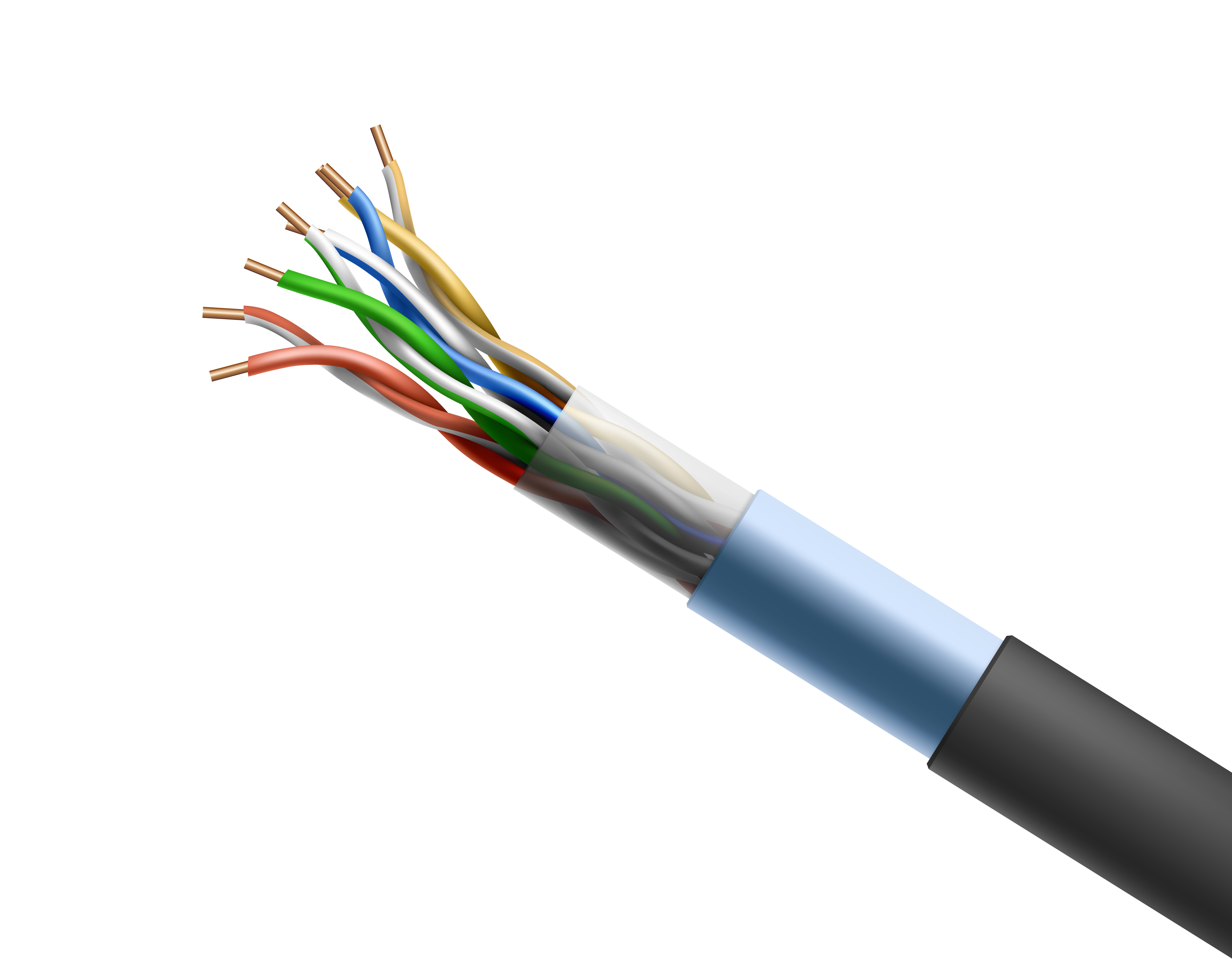
Whether you're terminating twisted-pair cables or running fibre links between buildings, the quality of your connectors and cables can make or break performance.
Cable Management Products
Velcro wraps, cable ties, brush panels, and cable spines keep everything neat. No one wants to troubleshoot a spaghetti junction.
Data Cabinet Accessories
Shelves, power distribution units (PDUs), and airflow management tools are small but mighty, making cabinets more functional and safer.
Wall-Mounted Racks & Floor Boxes for Cabling
Great for tight spaces or distributed network points. They help expand without overcomplicating your core cabinet.
In today’s high-demand, high-speed world, you can’t afford unreliable connections, messy cables, or systems that don’t scale. Structured cabling systems help by:
Improving performance and uptime
Simplifying maintenance and troubleshooting
Making upgrades and moves easier
Supporting high-speed data transfer, whether copper or fibre optic
It’s the backbone of any serious business or installation, whether you're a seasoned data installer or an electrician branching into comms work.
Core Components of Structured Cabling Systems
Let’s break it down. Here’s what makes up a good, structured cabling setup:
Patch Panels
These are the go-to for organisation in the data cabinet. They centralise connections and make it easy to manage incoming and outgoing cables.
Cable Trays and Trunking
For keeping cabling neat and safe. These are your “highways” for cable runs, especially useful when working across ceilings, floors, or between rooms.
RJ45 Connectors and Fibre Optic Cable
Whether you're terminating twisted-pair cables or running fibre links between buildings, the quality of your connectors and cables can make or break performance.
Cable Management Products
Velcro wraps, cable ties, brush panels, and cable spines keep everything neat. No one wants to troubleshoot a spaghetti junction.
Data Cabinet Accessories
Shelves, power distribution units (PDUs), and airflow management tools are small but mighty, making cabinets more functional and safer.
Wall-Mounted Racks & Floor Boxes for Cabling
Great for tight spaces or distributed network points. They help expand without overcomplicating your core cabinet.
Best Practices for Structured Cabling Installations
You’ve got the components, now here’s how to put them to work:
Plan Ahead
Design your cable containment systems with scalability in mind. What works now might not cut it in 12 months.
Stick to Standards
Use proper colour coding and follow TIA/EIA cabling standards. It’ll save you loads of time when something needs fixing.
Label Everything
Every cable. Every port. Every faceplate. Future-you (or your apprentice) will thank you.
Avoid Cable Chaos
Keep power and data cables separate. Use trunking, trays, and accessories to maintain clean pathways.
Test and Document
Use proper test equipment, log results, and label test points. A structured system isn’t complete without proof it works.
You’ve got the components, now here’s how to put them to work:
Plan Ahead
Design your cable containment systems with scalability in mind. What works now might not cut it in 12 months.
Stick to Standards
Use proper colour coding and follow TIA/EIA cabling standards. It’ll save you loads of time when something needs fixing.
Label Everything
Every cable. Every port. Every faceplate. Future-you (or your apprentice) will thank you.
Avoid Cable Chaos
Keep power and data cables separate. Use trunking, trays, and accessories to maintain clean pathways.
Test and Document
Use proper test equipment, log results, and label test points. A structured system isn’t complete without proof it works.

FAQs
What is the main purpose of structured cabling?
To provide a standardised, reliable, and organised network infrastructure that supports data, voice, and video communications.
Can I use existing electrical trunking for structured cabling?
Not recommended. Network cabling and electrical cabling should be kept separate to avoid interference and meet safety standards.
Are patch panels necessary for small installations?
Even in smaller jobs, patch panels help manage ports, reduce wear on equipment, and future-proof installations. Definitely worth including.
What’s the difference between wall-mounted racks and data cabinets?
Wall-mounted racks are space-saving and ideal for smaller setups, while full data cabinets offer better airflow, scalability, and security.
Is fibre optic better than copper for all applications?
Not always. Fibre is great for high-speed, long-distance runs, but copper (like Cat6 or Cat6A) is still cost effective and ideal for most internal building networks.
What is the main purpose of structured cabling?
To provide a standardised, reliable, and organised network infrastructure that supports data, voice, and video communications.
Can I use existing electrical trunking for structured cabling?
Not recommended. Network cabling and electrical cabling should be kept separate to avoid interference and meet safety standards.
Are patch panels necessary for small installations?
Even in smaller jobs, patch panels help manage ports, reduce wear on equipment, and future-proof installations. Definitely worth including.
What’s the difference between wall-mounted racks and data cabinets?
Wall-mounted racks are space-saving and ideal for smaller setups, while full data cabinets offer better airflow, scalability, and security.
Is fibre optic better than copper for all applications?
Not always. Fibre is great for high-speed, long-distance runs, but copper (like Cat6 or Cat6A) is still cost effective and ideal for most internal building networks.
Wrapping It All Up
Whether you're working on a new office fit out, upgrading a network room, or retrofitting an older system, structured cabling provides the flexibility, organisation, and performance that today’s digital demands require.
Investing in the right cable management products, structured cabling systems, patch panels, RJ45 connectors, floor boxes, and data cabinet accessories makes all the difference. Your future self and your clients will appreciate the forward-thinking approach.
Whether you're working on a new office fit out, upgrading a network room, or retrofitting an older system, structured cabling provides the flexibility, organisation, and performance that today’s digital demands require.
Investing in the right cable management products, structured cabling systems, patch panels, RJ45 connectors, floor boxes, and data cabinet accessories makes all the difference. Your future self and your clients will appreciate the forward-thinking approach.
Related Products